Zombie is Back, Bitches: Why 'The Great Satan' is the Industrial Punch in the Mouth We Needed
Welcome back to the blog, fellow fiends and sonic archaeologists! If you caught a recent episode of Shit Talk Reviews, you know John and I went deep into the triumphant return of Rob Zombie. His latest offering, The Great Satan, hasn't just dropped; it’s sent a massive middle finger through the industrial metal scene.
The debates are already raging: is this just a nostalgia trip, or is it a genuine evolution? Honestly? It’s a massive, platform-booted stride back to that raw, spooky-as-hell sound that made us fall in love with this monster in the first place. Put down the popcorn and let’s unpack why The Great Satan is the most potent thing Zombie has summoned since Hellbilly Deluxe.
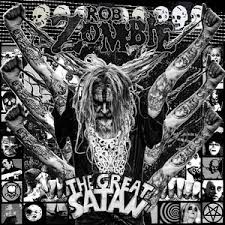
The Return of the Industrial Roar
Rob Zombie has always been a shapeshifter. We’ve seen the swampy White Zombie grind and the cinematic solo years, but let’s be real—sometimes evolution takes a wrong turn at the cemetery.
The Great Satan feels like Rob finally stopped overthinking it and leaned back into the core mechanics: grinding guitars, pounding percussion, and that signature guttural growl. It’s got that visceral, mechanical whirr that’s been missing for way too long. The production is crisp but still carries that beautiful, dirty grit. It’s menacing, it’s loud, and yeah, it’s undeniably moshable. This isn’t a legacy act going through the motions; this is an artist who found his primal scream again.
The Riggs Factor: Back to the Roots
Look, I respect what John 5 did for the band—the man is a technical wizard. But for those of us who grew up on The Sinister Urge, the return of Mike Riggs is a goddamn milestone.
Riggs doesn’t care about "shredding" in the traditional sense; he’s about the impact. His style is dirtier, bluesier, and built on a groove that hits you right in the chest. On tracks like "F.T.W. 84" and "Tarantula," his influence is everywhere. He brings a swagger that perfectly fits Rob’s vocals. The chemistry between Riggs and Blasko creates a rhythm section that sounds like a tank rolling over a haunted house. It’s not a reunion; it’s a strategic re-calibration.
40 Minutes of Pure Chaos
In 2026, everyone thinks they need to release a two-hour "epic." Save it for the movies. The Great Satan clocks in at a tight 40 minutes, and that’s its greatest weapon.
There’s no filler. No self-indulgent acoustic interludes. Just a relentless, high-octane punch to the face. It reminds me of the efficiency of Hellbilly—quality over quantity, every single time. It respects your attention span while leaving you wanting to hit 'repeat' the second it ends.
Where Does It Sit in the Pantheon?
The debate is on: where does this land in the discography? For my money, it stands shoulder-to-shoulder with the classics. While Educated Horses was an interesting detour and Venomous Rat was experimental, The Great Satan is a homecoming.
It’s a statement of intent. Rob is reminding everyone why he’s a legend. It’s got the grit, the energy, and with Riggs back in the fold, it’s got that "it" factor that makes a record feel dangerous again.
Timeless Trash Culture
Why does this sound fresh in 2026? Because Rob’s obsession with 70s and 80s grindhouse, B-movies, and the macabre is part of his DNA. In a world of fleeting digital trends, his brand of retro-futuristic horror is an anchor.
The production is modern enough to blow your speakers out, but the soul is pure industrial filth. It doesn’t feel like he’s trying to recapture the past; it feels like he’s celebrating it with a flamethrower.
The Bottom Line: The Great Satan is essential. It’s firing on all cylinders, and as we discussed on Shit Talk Reviews, it proves that the industrial roar is far from dead. Is it his best work since his solo debut? It’s definitely in the conversation.
Give it a spin, crank it until your neighbors complain, and let us know what you think. Stay weird, stay heavy.
Co Chief Idiot
A lover of rock, metal and all things that slam, Derek has a background in music reviews and music marketing from his Megakungfu.com & hitthepit.com experiences. Derek aims for the top with everything he does; there is no shortage of bodies he won't step over to achieve his review-based glory.
Favorite bands: Type O Negative, Metallica, Black Sabbath, Ozzy, Meshuggah, Death, Blood Incantation, Testament, Power Trip, Slayer, Sepultura (Max only), Spiritworld, Unearth, Turnstile, Alice In Chains, Ministry, Sam Black Church, Vision of Disorder, Pantera, Pink Floyd, Def Leppard.
Why Frozen Soul’s No Place of Warmth is the Best Modern Death Metal Album of the 2020s

