June 25, 2026

Matt Harvey - Left To Die/Exhumed/Gruesome - Interview

Most death metal fans haven't heard the full story behind Chuck Schuldiner's legacy—until now. Matt Harvey, the legendary guitarist and vocalist from Exhumed, Gruesome, and now Left to Die, shares candid insights into his journey from learning classic death riffs as a teen to stepping into Chuck Schuldiner's shoes. Discover how one of the most respected death metal figures of all time influences a new generation and why preserving the genre’s brutal yet melodic roots is more critical than ever.
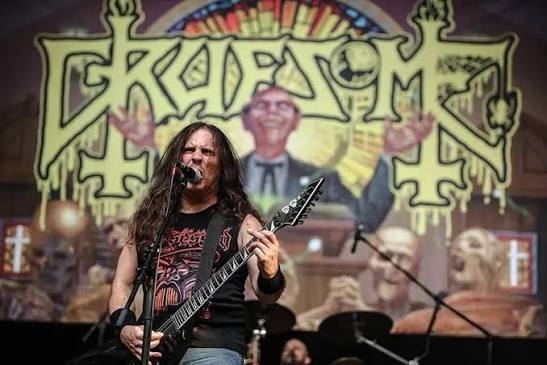


Architect of Gore, Scholar of Death

Matt Harvey is one of extreme metal’s most prolific lifers. For over three decades, the California-born guitarist, vocalist, and songwriter has served as both a pioneering force in underground extremity and a dedicated custodian of death metal history. From teenage grindcore fanatic to fronting packages alongside genre legends, Harvey’s career is a masterclass in staying true to the underground while pushing its sonic limits.

The Core Projects


Exhumed: The Gore Metal Pioneers

In 1990, at just 15 years old, Harvey founded Exhumed. As the band’s primary visionary, guitarist, and co-vocalist, he took the raw blueprint of early grindcore and injected it with a heavy dose of cinematic horror, blistering speed, and dark melodicism.

  • The Impact: Albums like Gore Metal (1998) and Slaughtercult (2000) essentially helped birth the "deathgrind" subgenre.

  • The Legacy: Decades later, Exhumed remains a global touring powerhouse, celebrated for their hyper-aggressive dual-vocal trade-offs and chainsaw riffs.

Gruesome: The Ultimate Homage

What started as a casual conversation about the early era of the legendary band Death mutated into Gruesome in 2014. Co-founded by Harvey and drummer Gus Rios (ex-Malevolent Creation), the project is a meticulous, passionate celebration of Chuck Schuldiner’s late-80s and early-90s songwriting style.

  • The Artistry: Rather than a simple cover band, Gruesome writes entirely original material that structurally mirrors classic eras of Death.

  • The Execution: Harvey channels Schuldiner’s exact vocal rasp and technical phrasing, earning massive respect from old-school purists and new fans alike through stellar releases like Savage Land and Twisted Prayers.

Left to Die: Keeping the Death Spirit Alive

Harvey’s deep reverence for the origins of the genre naturally paved the way for Left to Die. Fronted by Harvey, the lineup is a jaw-dropping assembly of death metal royalty, featuring former Death members Terry Butler (bass) and Rick Rozz (guitar) alongside Gus Rios.

  • The Mission: The band was formed to bring the historic, live energy of Death’s seminal Leprosy and Scream Bloody Gore albums back to the stage.

  • The Performance: Stepping into the shoes of one of metal's most revered icons is no small feat, but Harvey handles the vocal and guitar duties with a perfect balance of sharp technical precision and raw, fiery energy.

Creative Scope & Legacy

Harvey’s work is characterized by a massive respect for physical music culture, the tape-trading underground, and the rich history of extreme music. When he isn’t churning out buzzsaw death metal riffs, his musical palette stretches into traditional heavy metal with Pounder, as well as explorations into ambient soundtracks and expansive blackgaze textures. He remains a vital link connecting death metal's foundational history to its vibrant modern landscape.

WATCH


LISTEN

Today we're joined by a musician that wears all kinds of hats in the extreme metal underground. These days he's helping steer one of the most exciting historical metal projects on the planet.
9 seconds
He's the frontman for Exumed, Gruesome, and the guitarist and vocalist channeling the spirit of Chuck Schulener in Left to Die. Ladies and gents, it's
17 seconds
the incomparable Matt Harvey. Matt Harvey, thanks so much for joining us. How are you, man?
23 seconds
I'm good, man. Uh I'm I just got home from Australia a couple days ago. It's summertime. It's a beautiful day. uh you
30 seconds
know, blue skies, birds are chirping, uh car engines are going. It's it's a it's a good day.
35 seconds
Yeah, it looks beautiful. Where uh where on the uh on the planet do we find you now? Where is home for you?
40 seconds
I am Well, I am in St. Louis Visitville, California. Um I live like basically one town over in Ataskadero.
48 seconds
We're here to today to talk about Left to Die. you have an album coming out and it is so far the two releases that we've
56 seconds
heard that have been put out are incredibly familiar and uh for those death metal fans that love death uh are
1 minute, 5 seconds
probably going to recognize the sound being very familiar. For those who are new to one Matt Harvey and Left to Die
1 minute, 13 seconds
and Exumed and Gruesome and your whole history, give everybody an overview of who you are and how you got to be in Left to Die.
1 minute, 22 seconds
Um, you know, I I I'm a kid from the the San Francisco Bay area. Um, well, I'm not a kid anymore, but I that's where I
1 minute, 30 seconds
grew up. Um, and I got into metal sort of in the late 80s. Um, and just as I was kind of becoming a non-terrible
1 minute, 39 seconds
guitar player was right when you know, Leprosy and then Slowly We Rod, Sever Survival, Symphonies of Sickness, and the sort of death metal boom was just
1 minute, 48 seconds
really getting it underway. Um, at the end of the 80s going into the '9s, um, my high school band, uh, Exumed, sort of
1 minute, 55 seconds
has continued out of control for some reason on and off for the since since the early 90s when I was in school. Um, we
2 minutes, 4 seconds
finally, you know, got our [ __ ] together by like 98 and did our first record. Um, you know, we we've done a bunch of
2 minutes, 11 seconds
records and at some point I got a call to help out with the first Death to All tour when Stefan from Obscura, I guess his visa was screwed up or something.
2 minutes, 21 seconds
So, that was kind of my first uh entry into the the ever widening pool of death related
2 minutes, 29 seconds
stuff. Um, I I thought it was great, but I was like, how come they're not doing anything with like, you know, Chris Rifford or Rick Ros or Terry Butler or
2 minutes, 38 seconds
any of these guys because, you know, I, as much as I love and respected the later stuff, my favorite stuff is the stuff I kind of cut my teeth on when I
2 minutes, 46 seconds
was a kid. Um, yeah, that's where I met um our drummer Gus. And then we sort of jokingly were like, "Yeah, if we can't
2 minutes, 53 seconds
get Death All to, you know, do a bunch of early stuff like we'll just make our own Death Band and that'll be hilarious.
3 minutes
And for some reason we actually did and that band became gruesome. Um and that
3 minutes, 6 seconds
sort of got legs weirdly. Um which surprised me and from there it's awesome. It's awesome. That really surprised you.
3 minutes, 16 seconds
Yeah. I mean I guess I was like I don't know that people want to hear a band whose whole mission is to sound like another band, but apparently they did
3 minutes, 24 seconds
and you know so we continued on. Um, I mean I, you know, we it wasn't it's I don't mean to sound like glib, but like
3 minutes, 32 seconds
when we did the first Gus record, I just kind of thought it was like an elaborate like like a joke band almost, you know?
3 minutes, 37 seconds
I remember my wife talking to me. She's like, "Really? You going to start another death metal band? Like, aren't you already in a death metal band? If you're going to start another band, don't you want to do something
3 minutes, 45 seconds
different?" And I was like, "Honey, this is like come on. I don't see this going anywhere. I doubt we'll ever play a show. Like, this is just, you know, silly. I'm just doing this for me." And
3 minutes, 54 seconds
I think it's, you know, obviously I put a lot of work into it and try to make a good record, you know, because I have a, you know, deep love for the the source
4 minutes, 1 second
material that we're sort of riffing on, but yeah, I did not see any kind of, you know, commercial potential there. Um,
4 minutes, 9 seconds
apparently, you know, it's one of those times when it's great to be wrong. Um, yeah. And because Gus and I were doing this sort of death worship band that that got
4 minutes, 18 seconds
legs, we ended up doing a gig with um with Terry and James Murphy where we did spiritual healing front to back in
4 minutes, 25 seconds
Florida um which Rick saw and he was like, "Oh, you know, these guys would do a really good job with leprosy. I wonder if they'd be into it." And of course,
4 minutes, 33 seconds
you know, we're like, "Well, yeah, of course they would." Like, "Duh." And um yeah, so then um that was kind of
4 minutes, 41 seconds
how Left and Eye, you know, came together. Um so we had a lot of fun doing the early death stuff live, you know, doing a bunch of leprosy and
4 minutes, 49 seconds
scribbling war cuts. And you know, again, it was one of those things where um you know, just sort of gained its own momentum and and and took off. And so
4 minutes, 58 seconds
from the mid from the kind of minute that we announced we were doing it, people kept asking us, "Are you going to record anything? You guys interacting with songs? You going to do anything?" And we're always like, I don't know if
5 minutes, 6 seconds
that's a good idea. But, you know, we kind of hit upon the, you know, the idea to do Initia Mortise. Um, which is all the early, you know, Mantis and Death
5 minutes, 15 seconds
tunes that that Rick and Chuck and and Cam Lee were working on, you know, in their the kind of early mid80s or whatever because most of them, you know,
5 minutes, 23 seconds
had only ever been recorded on like a boom box. So, um, we thought it was a good way to, you know, to do a record, um, without
5 minutes, 31 seconds
kind of having the pressure of like, you know, well, it's not as good as Leprosy.
5 minutes, 35 seconds
It's like, well, of course it's not as good as Lepy. Like, you know, even if it was as good as Leprosy, it wouldn't be as good as Leprosy. So, you know, we didn't want to kind of fall into that trap.
5 minutes, 44 seconds
So, I have to ask, you know, Chuck is in my world, um, a legend. And frankly, Matt, you you do a really good job of
5 minutes, 53 seconds
filling that void. Um, what does Chuck mean to you? You know, what is what does he what does he mean to you? Uh, you
6 minutes, 1 second
never met him, but yet you are stepping into his shoes literally and playing his music. You know, what does he mean?
6 minutes, 7 seconds
I mean, well, I you know, I I guess I I technically met him um when I was a kid in October of 1990. I went see was my
6 minutes, 15 seconds
second time going to a death gig and it was death pass on some carcass and I did meet him and I got him to sign my flyer and stuff and he I told him I was like, "Oh, I'm learning how to play guitar.
6 minutes, 23 seconds
I'm like learning all your riffs and it's really cool and you know every it's cool how every album is like more challenging because it's like I'm trying to get better and you know you're always
6 minutes, 31 seconds
like several steps ahead of me and I'm trying to figure it out and he was like oh that's cool man right on you know it was very nice um but yeah I didn't know
6 minutes, 39 seconds
him you know that was the extent of my interaction um you know as a you know guitar playing singer a singing guitar
6 minutes, 48 seconds
player I don't really know you know it was kind of like first there was you know from Metallica and then there was like Millet from from creator and then
6 minutes, 55 seconds
you know then then there was Chuck. Um and I think what the most important thing that his music did for me aside from like I said you know kind of always
7 minutes, 3 seconds
being several steps ahead and me being like oh [ __ ] you can do this now. Oh you can do that now. Oh you can do this.
7 minutes, 8 seconds
Wow. Um was that when I was learning the the the death stuff very early on. You know I started with Metallica then I went to
7 minutes, 17 seconds
like Salty Frost and and and then it was the the death stuff. Uh there was a tonality about it that was different.
7 minutes, 24 seconds
You know, before I even knew what death metal was or that death metal was a thing. I was like, there's something about this like these note choices and
7 minutes, 32 seconds
these kind of melodies. Like, you know, Metallica doesn't do this. Exodus doesn't do this. Even Slayer doesn't really do this. Um and that was kind of
7 minutes, 40 seconds
the first sense that I had as a little kid that, oh, this is a different thing.
7 minutes, 46 seconds
This isn't Thrash. This is this is its own thing. not just because of the, you know, the the kind of monstrous vocals.
7 minutes, 53 seconds
And so to me, his sort of melodic sensibility really informed not only the genre, you know, because Death was
8 minutes
influential to, you know, everybody that came afterwards, you know, and and the people at the same time, but to me specifically, it was the first kind of
8 minutes, 9 seconds
like light bulb moment like this is a this is its own subgenre here. This is its own thing with it kind of own parameters. And I learned what those
8 minutes, 17 seconds
parameters were by learning, you know, by learning death saws. And then when I went to learn, you know, autopsy or or
8 minutes, 24 seconds
or carcass or dismember or whatever afterwards, I had at least a frame of reference from knowing how to play the death stuff. Not always correctly
8 minutes, 32 seconds
because I was listening to my cassettes and I was 14, but I was doing my best, you know, and I I I got I got the general idea, you know. So, I mean to me
8 minutes, 40 seconds
it was um you know just as a guitar player really huge Eureka moment. And also one of the things that I think
8 minutes, 48 seconds
Chuck did especially, you know, with with leprosy specifically, is that he kind of opened the door to, you know,
8 minutes, 56 seconds
better guitar playing, you know, like cuz I mean, if you think about like the more extreme th you know, thrash albums
9 minutes, 3 seconds
like Darkness is Hands or or Infernal Overkill or Pleasure to Kill or whatever, like none of those records really had good solos, you I mean, even
9 minutes, 11 seconds
Rain and Blood, I mean, they, you know, they're fine and they serve the song, but they're not like musical or whatever. And so, when
9 minutes, 20 seconds
you heard Leprosy, it was like, wow, there's room to be kind of musical in this really extreme style of music. And I think that he was the first person to
9 minutes, 28 seconds
bring that in. And you can hear his influences from Swordlage and Iron Maiden and, you know, Sabotage and all the traditional metal stuff that that he
9 minutes, 36 seconds
loved. you know, even though he's kind of because he never took lessons and didn't know any theory, he kind of has his own weird tonality to it, but that
9 minutes, 44 seconds
makes it even better, you know. Um, so it was this idea that, yeah, you could be really brutal, you could be really extreme, but you could also be musical
9 minutes, 52 seconds
in ways that, you know, even bands that were more accessible, you know, um, weren't. you know, persuasion mania or
10 minutes, 1 second
extreme aggression would have been more marketable in 1988 than Leprosy, but Leprosy was more musical, you know, in some ways. So, it was
10 minutes, 10 seconds
uh I don't know, it was just it was a it was a huge thing to me as a kid.
10 minutes, 13 seconds
How do you balance, you know, fast forwarding to present, how do you balance staying faithful to that original 80s era, you know, death guitar
10 minutes, 22 seconds
partnership while still bringing your own natural energy to the mix? Well, when we play live, you know, um I try to, you know, pretty much do Chuck's
10 minutes, 31 seconds
solos, you know, pretty close to how they are on the record. Um, you know, there's a few of them where, you know, like Sacrificial, as long as you kind of
10 minutes, 38 seconds
have the first phrase, like nobody remembers the rest of the solo, so it doesn't really matter. Um, you know, but then there's a song like Forgotten Past
10 minutes, 46 seconds
or Pull the Plug where it's really distinctive and if you don't play, you know, the lead, it doesn't sound like the song. It's going to take you out of the song. So, um, you know, live really
10 minutes, 55 seconds
it's just about executing Chuck's stuff, but when we were doing this record, you know, all these songs are mostly recorded on a boom box and, you know,
11 minutes, 4 seconds
they're, you know, they're high school kids playing this stuff. So, I mean, you know, the solos are rudimentary and there's a lot of them because, you know,
11 minutes, 11 seconds
they're high school kids and there's not a lot to latch on to that was particularly distinctive. So I
11 minutes, 18 seconds
kind of just came at it, you know, thinking, you know, turning on my sort of like spiritual healing brain, you know, cuz that was the one as a guitar
11 minutes, 26 seconds
player, especially once, you know, James came in the mix. It was like, you know, Chuck was melodic and had his own sensibility. And then James came in and
11 minutes, 34 seconds
he was sort of like um you know at that point in time he was like a great value Andy Lorac or you know t-u Andy Lorac which was amazingly head and shoulders
11 minutes, 44 seconds
above anything that anyone had ever heard on a death metal record before. Um and obviously I'm a big fan of Rick's playing but Rick's in the band so I
11 minutes, 52 seconds
don't need to do any dive bombs. Like that's all he covered. Um, you know, so I knew that no matter how melodic I was going to get, he was always going to
12 minutes
balance that out because that's what he that's what I think I love so much about Leprosy is that Chuck is trying to be as musical as possible and Rick's like, "Fuck that shit." Like, check this out.
12 minutes, 10 seconds
You know, this is sounds like a cat getting strangled or whatever, and it's just so brutal and awesome. Um, so I knew that was covered. So, I just kind
12 minutes, 17 seconds
of, you know, went for my own thing, you know, but, you know, leaning a little bit more heavily on what I would have heard, you know, Chuck or James do back
12 minutes, 25 seconds
then because I also think James did a nice job coming into obituary, you know, balancing the the the musicality with the really primitive, you know, brutal
12 minutes, 34 seconds
riffing, which is not too far away from what what's on this record. You know, I had a couple people ask me to ask you
12 minutes, 40 seconds
really is is Left to Die going to replace Gruesome or is Gruesome going to
12 minutes, 47 seconds
remain um your uh baby on the side? Like how's that going to work? Uh and is Left to Die going to be something that is um
12 minutes, 56 seconds
going to continue and maybe create its own own albums with its own original music? You know, I it's one of those things where we're just kind of playing
13 minutes, 4 seconds
it by ear. You know, with with Gruesome, you know, I think we've really, you know, covered certainly my personal
13 minutes, 11 seconds
favorite era of death. And also, it seems maybe less necessary to pay homage to the stuff that Bobby and
13 minutes, 19 seconds
Jean did because Bobby and Jean are still out there playing it. Whereas, you know, Shawn obviously is no longer with us. Chuck is no longer with us. And you
13 minutes, 27 seconds
know, I don't know how much interest Paul really has in playing Secret Face, you know, or whatever. Um, so, you know,
13 minutes, 35 seconds
I certainly I I have nothing but respect and admiration for, you know, the guys doing Death Hall. You know, I think
13 minutes, 42 seconds
Bobby is incredible. Jean's Jean and Steve obviously, you know, legendary.
13 minutes, 47 seconds
And Max is fantastic. So, I don't know that gruesome doing a version of Symbolic makes a ton of sense when those guys are out there playing it, you know.
13 minutes, 56 seconds
Um, I mean that doesn't necessarily mean that we wouldn't want to do something further, but I don't really know, you know. I just kind of take things as a
14 minutes, 5 seconds
common as it feels natural, you know, but I also kind of feel like I don't know that I really want left to die to
14 minutes, 13 seconds
write our own material because I think the weight of expectation is just so high and you know
14 minutes, 20 seconds
doing bruises the whole thing is a tribute and I think people it's very clear that I'm just at doing it as a fan whereas to write our own songs and left
14 minutes, 30 seconds
to die maybe feels a little bit like I am trying to like be like I'm the new Chuck which I'm not and nobody is and nobody could ever be and I don't you
14 minutes, 39 seconds
know as a fan I don't feel comfortable with that you know I don't go out there and play a stealth and you know wear a blondie t-shirt or you know do whatever
14 minutes, 46 seconds
try to be like you know if you squint your eyes is that truck it's like no it's just me yeah so I you know I don't really know
14 minutes, 53 seconds
what the future holds and it's just really kind of what feels natural and what makes sense because at the same time I don't know if Rick came to me and
15 minutes, 1 second
had like four songs that I It was like these are too good to not record, you know, then I guess we would record them, you know, and Billy would love to die.
15 minutes, 9 seconds
It's ultimately about Terry and Rick, you know, executing the the early stuff and and you know, I'm here to help them however they want to be helped and to do
15 minutes, 18 seconds
things that make sense to everybody, you know. So, I know it's kind of invasive.
15 minutes, 23 seconds
Do you personally or do you as a band Left to Die, do you see that project as sort of like a cultural preservation of
15 minutes, 31 seconds
that? you know, that tape trading, you know, early death era in especially now in a time where we're in, you know, digital madness where tape trading
15 minutes, 39 seconds
doesn't really exist anymore, right? I mean, I see it as a preservation of a a part of the death legacy because I mean, you know, as much
15 minutes, 48 seconds
as I love what they do with with Death to all, you know, even in the very early stages before it kind of evolved into being more like a real band like it is
15 minutes, 57 seconds
now, I kind of felt like the the preservation, the legacy was heavily weighted towards look at, you know, they
16 minutes, 5 seconds
brought in jazz fusion and, you know, weird time signatures and they, you know, the musicianship is so amazing and and all That's 100% true and it's great
16 minutes, 13 seconds
and deserves to be celebrated. But I also kind of felt like hey over here it was also like really [ __ ] brutal.
16 minutes, 20 seconds
Um and you know that that's kind of you know was my approach even with the first gruesome stuff that we were writing was to be like hey yeah but it was also
16 minutes, 29 seconds
really [ __ ] brutal man like you know have you heard regurgitated guts? Like come on man. Um, so I think it's about
16 minutes, 36 seconds
kind of, you know, just giving a more even-handed, you know, sort of u representation of the breadth of the death legacy because, you know, I think
16 minutes, 45 seconds
that's one of the things that is so impressive about the band is that it sort of revolutionized things twice. You know, there's not that many bands that
16 minutes, 53 seconds
that are able to to do that, you I mean there's not that many bands that are able to sustain a career in multiple decades and let alone adapt to the times
17 minutes, 1 second
and let alone sort of be trailblazers multiple times you know and especially within such a compressed time period you know if you think even
17 minutes, 9 seconds
the first Mantis tape to human I mean that's only 83 to 91 that's eight years it's like two album tour cycles at this
17 minutes, 15 seconds
point you know um so to go from Legion of Doom on a boom box to you know flattening of emotions in eight years is
17 minutes, 23 seconds
pretty crazy you know you've talked a lot about Death's Legacy. Ed Repa uh who did a number of
17 minutes, 30 seconds
um the early artwork for Death and also for Gruesome.
17 minutes, 35 seconds
Obviously, I'm a huge fan of Repa's work. I grew up with it and you know, he did he did great work for for Gruesome.
17 minutes, 41 seconds
um just the licensing of the artwork was a little bit less restrictive with with Goldsworthy and he's worked with us on a bunch of shirt designs previously
17 minutes, 49 seconds
because you know Ed Reka being you know capital E capital R Ed Repa he's not the kind of guy that you know we can afford
17 minutes, 57 seconds
to just be like hey can you just knock out this design for you know 300 t-shirts whereas Dan Goldworthy was you know sort
18 minutes, 5 seconds
of you know so we had been working with him already for quite a while um and he absolutely captures was that that repa
18 minutes, 12 seconds
vibe, that old school vibe. So, it just, you know, made sense to continue working with him, you know.
18 minutes, 16 seconds
What what's the craziest thing that you've come across regarding either yourself or Left to Die or any of the projects you've been in? What's the strangest thing that you've found so far
18 minutes, 25 seconds
or the most left field bunch of [ __ ] I mean, I think I think with Left to Die, it's it's it is a little confusing for people because, you know,
18 minutes, 33 seconds
it's like even I was like trying to explain what the band was to like my dad who, you know, doesn't know anything about death metal or whatever aside from
18 minutes, 41 seconds
the fact that I play it and he doesn't particularly care for it. Um, I was like, well, so it's like a tribute band, but we have two guys from the original
18 minutes, 48 seconds
band. So it's like, you know, let me put it in terms you understand like if John Fogerty died, but like two of the guys from Credence had some other guy singing
18 minutes, 56 seconds
and he's like, "Huh, that's sort of weird." And then it's like, well, they're new recordings of old songs, but they're old songs you probably haven't
19 minutes, 3 seconds
heard of. So you think that they're new songs and you know all. So I think the misconception with this band is that
19 minutes, 10 seconds
somehow that there's some adversarial relationship between any of us and you know the family or whatever. Um which
19 minutes, 20 seconds
you know it's like dude we're on relapse. We're on the same label that's putting out all the death stuff that works with the Schulter family really
19 minutes, 27 seconds
closely. Like, you know, Terry and Rick have known Beth forever and they've known Christopher since like he was a
19 minutes, 34 seconds
[ __ ] child. Like, you know, they've come to our shows and talked to us and we wouldn't be doing this if it wasn't cool with them. You know what I mean?
19 minutes, 42 seconds
So, like there's this weird idea that there's some sort of adversarial relationship and that's a real bummer for me because, you know, like I'm just
19 minutes, 50 seconds
a fan, you know? I I wasn't there in the 80s or whatever. Um, I'm just happy to be here. So, I don't want people Yeah.
19 minutes, 56 seconds
Yeah, you know, it it just makes me sad that people would think that we would do that, you know. Um it's one thing if they don't like the band or they don't want to come see us or they don't like
20 minutes, 4 seconds
the record, that's totally fine. I I don't care about that. There's nothing I can do about that. But if they, you know, misconrue like somehow we're out
20 minutes, 11 seconds
here trying to like strip mine Chuck's legacy or we're like ripping him off or something. It's like no, you know, when we sell like leprosy LPs at the other
20 minutes, 19 seconds
show, like we buy those like a record store and resell them. You know what I mean?
20 minutes, 24 seconds
you know, they're absolutely getting paid on everything that we're doing and, you know, in terms of the writing credits on the album or whatever, you know, Chuck is, you know, credited on
20 minutes, 32 seconds
everything and, you know, so it's all really in a sense of of collaboration and deepening this, you know, this body
20 minutes, 40 seconds
of work. So, I guess that is I don't know if it's the craziest misrepresentation I I I've heard, but somebody told me like I I this is years
20 minutes, 48 seconds
ago now, I guess. Um, I was talking to this girl and she's like, "Oh, yeah.
20 minutes, 52 seconds
Somebody told me like you're like really rich and I was like I was like wow well somebody somebody
21 minutes
lied girl sorry. So you know clearly then she's you know it didn't work out with with with her and I when she's fine. Yeah.
21 minutes, 8 seconds
Yeah. Yeah.
21 minutes, 8 seconds
So uh another question that I had from a longtime death fan is what's your what what song when you're playing it live uh
21 minutes, 17 seconds
you just feel it every single time and you're just into it and in the groove. I mean I you know it really depends I guess you know night after night I mean
21 minutes, 24 seconds
like I'm these are songs that I learned you know to play or I played along with you know tried to learn to the best of my ability you know when I was like 14
21 minutes, 31 seconds
15 so these are like core musical memories and yeah each one will catch me you know really
21 minutes, 39 seconds
just you know it's a bunch of factors like how good we feel like we're playing and how well I can hear on stage and you know if my wrist hurts or if my voice
21 minutes, 47 seconds
you know if I have to push harder or whatever but generally You know, there there every song you get kind of get a moment where it just clicks and you look
21 minutes, 55 seconds
out in the audience and someone's like losing their mind, you know. My favorite song is, you know, maybe maybe regurgitated guts. I don't know.
22 minutes, 4 seconds
You know, so when when it's that song, I get extra stoked because it's not like a hit, you know, like you know, obviously
22 minutes, 10 seconds
Pull the Plug, um, Open Casket, Leprosy, Evil Dead, like those zombie ritual, those are the hits. So, I mean, to me,
22 minutes, 18 seconds
it's like, wow, if Evil Dead's not hitting, then, you know, either the sound sucks or we're out of tune or something bad's happening. Um, but when
22 minutes, 26 seconds
it's like Torn to Pieces or or Primitive Ways or one of those songs that maybe isn't as well known and you look out and
22 minutes, 33 seconds
even if it's just like three diehard maniacs like and you you feel it too, you're like, "Yeah, that's dude. I would be you, man.
22 minutes, 40 seconds
If I didn't have to play these songs, I'd be out there, you know, like getting totally stoked, too, you know?" Um, and the I think the song that kind of tends
22 minutes, 48 seconds
to work the best live that's, you know, maybe a more of a dark horse is Choke on it. That one, you know, is maybe more of
22 minutes, 56 seconds
an overlooked song on the record, but live more times than not, it ends up like really coming across really well.
23 minutes, 2 seconds
And it's a lot of fun to play. And um, you know, like I said, when when you look out, you just see, even if people are like, "Yeah, this is cool, but I'm waiting for Zombie Original." Then you
23 minutes, 11 seconds
just see some [ __ ] deep cut maniac like losing his mind, you know, or her.
23 minutes, 16 seconds
But, you know, generally it's, you know, some pimplyfaced weird, you know, weird kid or weird middle-aged man.
23 minutes, 25 seconds
That's a really, you know, you're like, "Yeah, we're right here, dude. We're doing this together. It's cool." You know, I'm a bit of a gear guy. I I love love
23 minutes, 33 seconds
talking equipment. What are you doing to replicate? Are you do you do you focus on like vintage 80s era gear? Are you
23 minutes, 42 seconds
using modelers to capture that that sound the right tone? And I I guess this question would apply for both live setups and tracking in the studio.
23 minutes, 51 seconds
Um I would never track with an amp modeler. Just that's not me. It's not something I feel comfortable with. Um sacriiggious but at the same it's not sacrilegious.
24 minutes, 2 seconds
But I mean I guess you know my thing is people always like oh look at this thing. It does the same thing as an amp.
24 minutes, 6 seconds
when I was like, "Yeah, but I but I have an amp." So, what do I what do I need the thing that does what an amp does when I have the thing, you know?
24 minutes, 13 seconds
Um, it's fine for, you know, if I'm just like dashing out a demo or whatever and I don't feel like, you know, cranking up the the the cabinet or whatever in the other room, sure, I I don't really care.
24 minutes, 24 seconds
Um, but at the same time, you know, I also feel like it's a trap to, you know, get really obsessed with these these
24 minutes, 31 seconds
vintage things because at the end of the day, you don't want it to sound exactly like that. You want it to sound how that
24 minutes, 39 seconds
feels. And you know, as much as I would love to probably just play play through a JCM800 and you know, put a tube scream
24 minutes, 47 seconds
tube screamer in front of it or whatever. Um, you know, it's nice using my two main amps or 650 plus and a angle
24 minutes, 55 seconds
power ball and that's what I recorded the album with. And then I have a, you know, a variety of of,
25 minutes, 2 seconds
you know, drive pedals. My my favorite is um it's built by a guy named Michael Klein who um builds, you know, builds a
25 minutes, 10 seconds
lot of respects for Sammy from Ash Bath and Goat [ __ ] and um he's done a bunch of stuff for a bunch of people now and he's finally starting to blow up. Um but
25 minutes, 18 seconds
I've been working with him for years and he's a he's a genius. So he decided for me.
25 minutes, 23 seconds
Yeah, that pedal is that a is that a custom unit or is it available that some people can buy? I think it's I'm not
25 minutes, 30 seconds
sure if he is selling it or I I'm sure he's selling it but I'm not sure if it's called the same thing because mine is called a Slimer pedal because it's you
25 minutes, 38 seconds
know green slime like a tube screamer and uh you know it is like a tube screamer but it has a little bit more flexibility with
25 minutes, 46 seconds
it doesn't kind of get into that pinched upper mids tube screamer has which I like but it's it is a bit limiting and
25 minutes, 53 seconds
of course you know I have various max on OD 808 and a TS9 and a Max on Super
26 minutes
Distortion and do all the sort of tube screamer flavors or whatever. Um, you know, but it's like I said, I I don't
26 minutes, 7 seconds
want it to I don't want it to just get sucked into this thing. It has to be exactly like the 80s because that's not what we're trying to do. We're trying to make you feel what you felt in the 80s.
26 minutes, 17 seconds
Yeah. Capturing a vibe.
26 minutes, 19 seconds
Yeah. And and you know, so that that's what I use and and you know, Rick is a big uh dual rack guy. Um, you know, he's
26 minutes, 27 seconds
he's into that that very scoopy with a with a woofy low end, you know, that loose low end and that kind of presence crackleheavy high
26 minutes, 37 seconds
end that he likes. Um, so I use the 6505 on on one side to sort of get something similar to that. time. The the low end's
26 minutes, 45 seconds
not as loose as a boogie, but it's headed in that direction, but I think that the high end breaks up in a way that is not as harsh, you know, um you
26 minutes, 54 seconds
don't want it to sound like you're grinding glass under your shoe, but you want it to be, you know, you want it to be scratchy, but not, you know, displeasing, I guess. Um, so yeah, I
27 minutes, 3 seconds
mean, I I I try to keep it simple. You know, amps pushing air, but we're not going to sit there and spend thousands of dollars on vintage this and boutique that.
27 minutes, 12 seconds
It's just, you know, it's just death metal, man. Yeah. Yeah. Fair enough.
27 minutes, 15 seconds
Left to Dies and Nidium Mortise is coming out on relapse July 17th of 2026.
27 minutes, 22 seconds
Matt Harvey, are you having fun?
27 minutes, 25 seconds
I'm having such a blast, you know, doing this band. Um, it's one of those things where, you know, if you would have told me, you know, when I was 14, like, dude,
27 minutes, 34 seconds
you're going to have Rick Ros's phone number. I'd be like, what? What?
27 minutes, 39 seconds
Um, you know, it's way beyond anything that that that you know, you would ever hope for as a fan. And I think obviously I would much rather that Chuck was alive
27 minutes, 47 seconds
to be doing this material or not doing this material, you know, and maybe he would just be doing controlled amount.
27 minutes, 53 seconds
But I have to think at some point somebody would offer enough money, right? Hey, bro. Some play, you know, Vin would just do repos.
28 minutes
I don't want to be that. They're like, well, but we'll give you $75,000. So, okay. Well, here we go. Um, so I don't know. I, you know, I I would just I
28 minutes, 8 seconds
would rather that he would have been here to have the option to do it or not.
28 minutes, 12 seconds
But, you know, as a fan, I mean, this is way beyond anything that that that I could have ever hoped for. I see myself as sort of the standin for the audience
28 minutes, 21 seconds
and like that's why I I don't worry about like, you know, acting like Chuck or looking like Chuck or playing a stealth or any of that stuff because it's like I'm the guy from the audience
28 minutes, 30 seconds
who just happens to be lucky enough to to be up here doing it. And I'm also, you know, let it be known that I'm having a great time. Um because, you
28 minutes, 38 seconds
know, what's the point of being like, "Oh, it's such an honor and it's so this and that," which of course it is, but at the same time, you know, if if you're not enjoying it, then what's the point
28 minutes, 46 seconds
of all the honor and oh, it's humbling and blah blah blah. It's like great, you know, what am I going to do? Sit there and like think about, oh god, if I play
28 minutes, 53 seconds
this note, I'm going to like disrespect my favorite album. Like, that's too much pressure for anybody. I just want to have fun and and do a good show. And so
29 minutes, 1 second
far it seems like we've been doing okay because people keep turning up to the gigs and and Rick and Terry seem to be happy with what I'm doing. So that's
29 minutes, 9 seconds
more important than some guy on YouTube or whatever. Some commenters, you know, there's there's always plenty of commenters out there out there.
29 minutes, 18 seconds
I mean, that's and that's fine, you know, like I think it's great, you know, anything that adds to the discourse. And you know, whenever you're doing something that means so much to so many
29 minutes, 26 seconds
people, anything related to death is going to mean a lot to a lot of people.
29 minutes, 29 seconds
And with Chuck not being here, they're going to have their own very personal interpretations of it. And that's cool.
29 minutes, 34 seconds
If you know, if they like what we're doing, great. And if they don't like it, then you know, that's fine, too. I get it, man. Um, the music's really personal.
29 minutes, 42 seconds
Well, I want to thank you. I've I've been a death fan. I'm 52 and so I live through the 80s and um, you know, it was
29 minutes, 49 seconds
Slayer than then death, you know, for me. And and then Metallica and so it's been Yeah. So, it's been really cool to
29 minutes, 57 seconds
um just follow your career and follow what you've been doing and a lot of people get excited about meeting their heroes. You get to actually step in for
30 minutes, 4 seconds
yours and um and I think it's amazing and really happy for you.
30 minutes, 8 seconds
Well, thanks, man. I I appreciate that a lot. Um yeah, I I turned 50 last October and uh yeah, it's a it's a weird ride. I
30 minutes, 16 seconds
try not to think about it too much because I you know, I just want to keep moving forward and and keep doing the next thing and not sit around. Figure I'll sit around, you know, eventually at
30 minutes, 24 seconds
some point like, "Holy crap." Like, I made a record with the guys from Leprosy and from Beyond. Like, that's pretty sweet, right? Yeah.
30 minutes, 32 seconds
Oh, that's rad. Well, listen, before we let you go, uh, I'd like to, uh, drop a little section and we call quickies.
30 minutes, 38 seconds
They're this or that questions. You can keep your answers short, you can go long, whatever you want to do. Okay.
30 minutes, 42 seconds
Uh, all right. First one. A playlist that perfectly matches your current mood or a playlist that shifts you into the
30 minutes, 50 seconds
mood you want to have. I will go with one that perfectly matches my current mood because if I try to shift out of it, I have to like even if I'm really
30 minutes, 59 seconds
angry or unhappy or whatever, I need to just sit in it and live with it and get it out or then yeah, it will it'll come
31 minutes, 8 seconds
around later. So, my thing is I'll get really angry for about, you know, 15 minutes and then as long as whatever it is gets resolved one way or the other,
31 minutes, 16 seconds
then I just don't care anymore. That's fine. I can get on with it and then I can, you know, the the playlist that will fit my mood will be nicer.
31 minutes, 22 seconds
Nice. Uh, a mind that is always perfectly calm and still or a mind that is constantly flooded with brilliant chaotic ideas.
31 minutes, 32 seconds
I I would say a mind that is still.
31 minutes, 34 seconds
Maybe it's just I'm a Californian that lives in like a, you know, wine country beach kind of town or whatever. But um
31 minutes, 43 seconds
the older I get, the sort of more into the sort of mindfulness and all that stuff, you know, I'm not like going to meditation classes or whatever. But when
31 minutes, 51 seconds
I was a kid, I had insomnia and my parents gave me this meditation tape to help me sleep. And it's something that I come back to again and again and again.
31 minutes, 59 seconds
And yeah, like we were just when we were in Perth, uh whatever it was last week, we went to like we went and did a sound
32 minutes, 6 seconds
bath and stuff. You know, it's I I I find that honestly when your mind is still then the ideas come on their own,
32 minutes, 13 seconds
you know. Um and do you meditate to come up with gruesome uh titles, you know, song titles? Is that is that where you get it from?
32 minutes, 21 seconds
You know, usually it just comes sort of it's one of those things where if you you see it out of the corner of your eye and if you try to focus on it too much,
32 minutes, 29 seconds
it runs away from you. You know, usually just all you know, a lot of it comes when I'm just out walking around or whatever. Like I never um dimensions of horror came when I was walking my dog.
32 minutes, 41 seconds
So you know uh it's just things things just come on on their own and it's Yeah. You never know when inspirational strike. Yeah.
32 minutes, 48 seconds
Try to let uh receiving incredibly harsh brutal honesty. Does somebody just order a double quarter pounder with cheese?
32 minutes, 56 seconds
No. No. Sorry. My my wife's I'm right in front of my wife's shop and a friend of ours just walked out. I love it.
33 minutes, 3 seconds
Uh yeah. Okay. Let's see. uh receiving incredibly harsh, brutal honesty that instantly makes you better at what you do or warm, encouraging praise that
33 minutes, 12 seconds
keeps you motivated but doesn't fix the flaws.
33 minutes, 16 seconds
I mean, I'm I'm always seeking brutal honesty, but I'll qualify that.
33 minutes, 22 seconds
I'll say this. It's like when you go and play a show and someone comes up and they're like, "Hey, your sound sucked tonight." It's like, "Okay, great." like
33 minutes, 30 seconds
or thinking things that people post on, you know, YouTube or social media and taking that to heart. I don't value
33 minutes, 38 seconds
that, but I have a lot of friends who I, you know, know and trust. Um, and when I
33 minutes, 46 seconds
get feedback from them, that is like really valuable, you know. Um, yeah. So, it's kind of like it's really tough.
33 minutes, 52 seconds
I I think when you start out as a musician, it's it's so hard to get valuable feedback and you're so much
34 minutes
worthless feedback um that you sort of have to get a bit of tunnel vision and just really focusing on doing whatever it is you're doing and not giving a [ __ ]
34 minutes, 8 seconds
to what anyone says. And then finally, once you're at a certain level, then you're able to often get valuable
34 minutes, 16 seconds
feedback, you know. Um, yeah. And that I I I love valuable feedback, especially when it's positive, but you know, uh, if
34 minutes, 24 seconds
it's negative, then I try to get it early so I can course correct, you know.
34 minutes, 29 seconds
Yeah. Yeah. All right. Well, the last two are musical, uh, based, and then we'll let you let you escape. uh a guitar tone that relies entirely on
34 minutes, 37 seconds
natural woody resonance of the instrument and hand technique or a tone that is heavily sculpted, compressed and
34 minutes, 44 seconds
distorted through a massive chain of rare or vintage analog gear.
34 minutes, 49 seconds
Oh man, you want to come right from the guitar or do you want to rely on the pedals and amps? You know, I mean, if I had to
34 minutes, 56 seconds
either or I guess would probably take the compressed distorted signal because ultimately when you're playing high gain
35 minutes, 5 seconds
music, you're not really hearing the the guitar, you know, like when people like, I've got this alder ash, maple, whatever
35 minutes, 13 seconds
fretboard and this body. And it's like, yeah, but you got active pickups going through a [ __ ] saturated amp. You're not hearing any of that. All you're
35 minutes, 20 seconds
hearing is electronics. So ultimately what really matters is does it feel good in your hand? And it could be, you know, an Indonesian, you know, Shector
35 minutes, 30 seconds
straight off the factory line or it could be, you know, a 57 West pole. But if you're putting, you know, Seymour Duncan Blackouts like I use and it and you're running it into an angle
35 minutes, 38 seconds
Powerball, you're hearing the the blackouts. You're not hearing the the guitar, right?
35 minutes, 41 seconds
So I I would rather walk more of a middle road. But if I had to choose between those two, I'll take the compressed distorted chain.
35 minutes, 49 seconds
Gotcha. Okay. All right, last one. A uh a song built around an incredibly complex, jagged rhythm pattern that
35 minutes, 56 seconds
constantly shifts time signatures or a song that locks into a heavy, relentless, hypnotic groove that doesn't change for 7 and 1/2 minutes.
36 minutes, 4 seconds
Wow. 7 and a half minutes is a long time.
36 minutes, 7 seconds
Yes. Um wow. I mean, you know, the the first one sounds so unpleasant
36 minutes, 15 seconds
and demanding to play. I guess I'd have to take the the hypnotic groove, but seven and a half minutes is really long time. You know, I think if you can't
36 minutes, 23 seconds
figure out how to like make a good song in under five minutes and I don't know if it's a it's it's a good song, you know. It's like when they all these movies are like, "Oh, but the director's
36 minutes, 31 seconds
cut six hours long and it's great." I was like, "No, I don't think I feel like you it takes you six hours to make a good movie. Maybe you're not you're not
36 minutes, 39 seconds
good at this." Um, but if I had to do one, I guess I'll take the seven minute move. Yeah, I like it. Okay. Well, this this has
36 minutes, 48 seconds
been great. We really appreciate you coming and spending some time with us, man.
36 minutes, 51 seconds
Oh, my pleasure, guys. Thank you for having me. And um yeah, hopefully we'll do it again soon. Sounds good. Thank you, sir.
36 minutes, 57 seconds
On it. All right. Cheers, man.
Sync to video time
Derek Showerhead Profile Photo

Founder of ShitTalkReviews

John Staley Profile Photo

Founder of ShitTalkReviews

Matt Harvey Profile Photo

Singer and Guitarist in Left to Die / Exhumed / Gruesome

Matt Harvey is a pioneering vocalist, guitarist, and songwriter who stands as one of the most prolific and dedicated forces in modern extreme metal. With a career spanning over three decades, Harvey has consistently bridged the gap between the raw, tape-trading era of underground death metal and its contemporary evolution, earning a reputation as both an innovative creator and a vital keeper of the genre's legacy.

The Gore Metal Pioneer: Exhumed
At just 15 years old, Harvey founded Exhumed in San Jose, California, in 1990. As the band's primary visionary and sole constant member, he spearheaded a brutal sonic blend of death metal and grindcore—helping to pioneer the "goregrind" and "deathgrind" subgenres. Across landmarks like 1998’s Gore Metal, 2000’s Slaughtercult, and a relentless output extending through albums like Horror (2019) and Red Asphalt (2026), Harvey established Exhumed as a global extreme metal institution known for its cinematic horror influences, hyper-aggressive speed, and blistering dual-vocal attack.

The Scholar of Death: Gruesome
Driven by a deep reverence for the origins of the genre, Harvey formed Gruesome in the 2010s alongside Gus Rios (ex-Malevolent Creation). Originally conceived as an intentional, hyper-focused homage to the early, pioneering era of the legendary band Death, Gruesome quickly evolved past a simple tribute project. Under Harvey's direction, the band channels the exact historical songwriting blueprints, historical aesthetics, and technical vocal styling of Chuck Schuld… Read More